top of page


Search
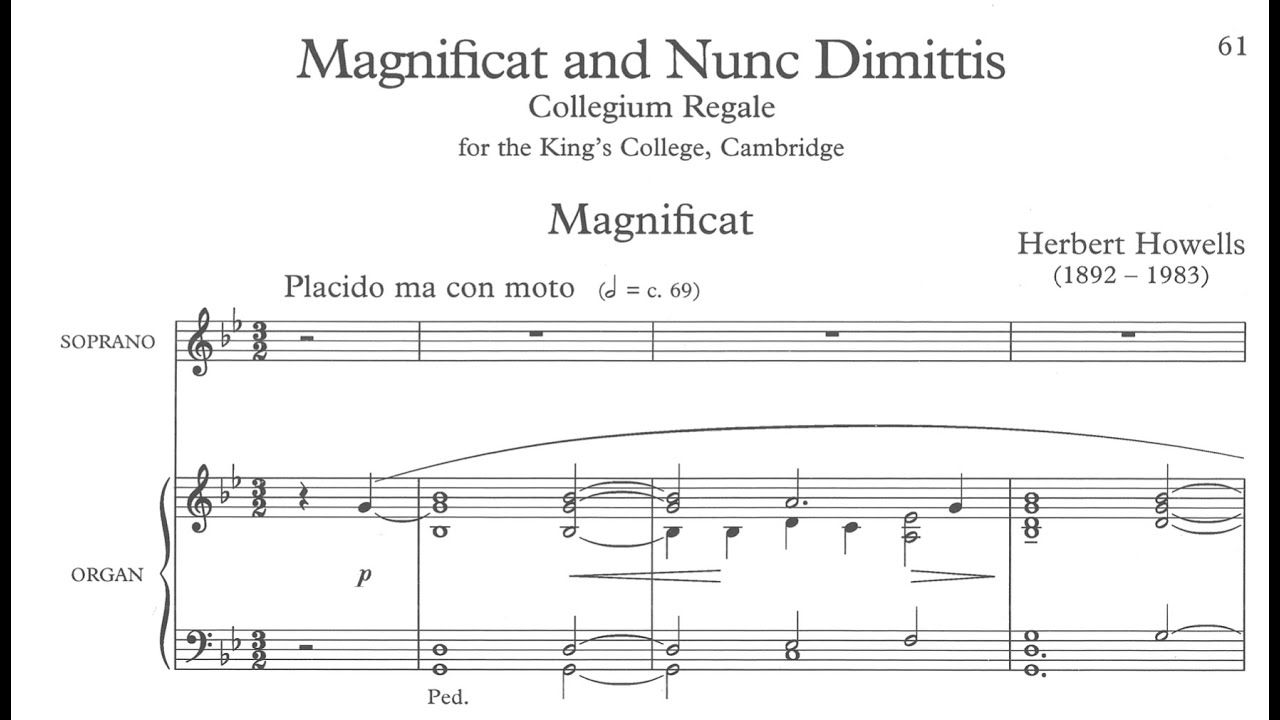
Magnificat by Howells
Herbert Howells wrote a beautiful setting of the Canticle of Our Lady.
Fr. Scott Haynes
2 days ago1 min read
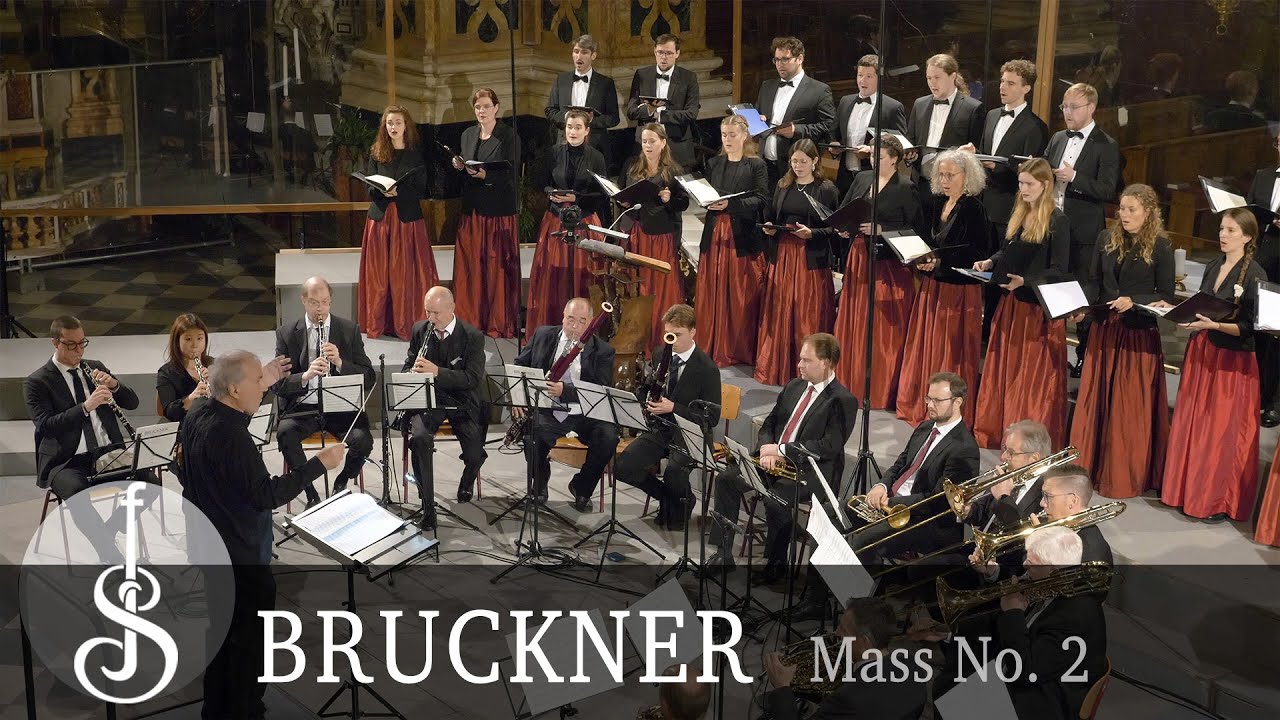
Bruckner | Mass No. 2 in E minor
Mass No. 2 in E minor WAB 27 by Anton Bruckner (1824-1896) performed by Kammerchor Stuttgart and Bläser der Klassischen Philharmonie Stuttgart, directed by Frieder Bernius.
Fr. Scott Haynes
Aug 231 min read
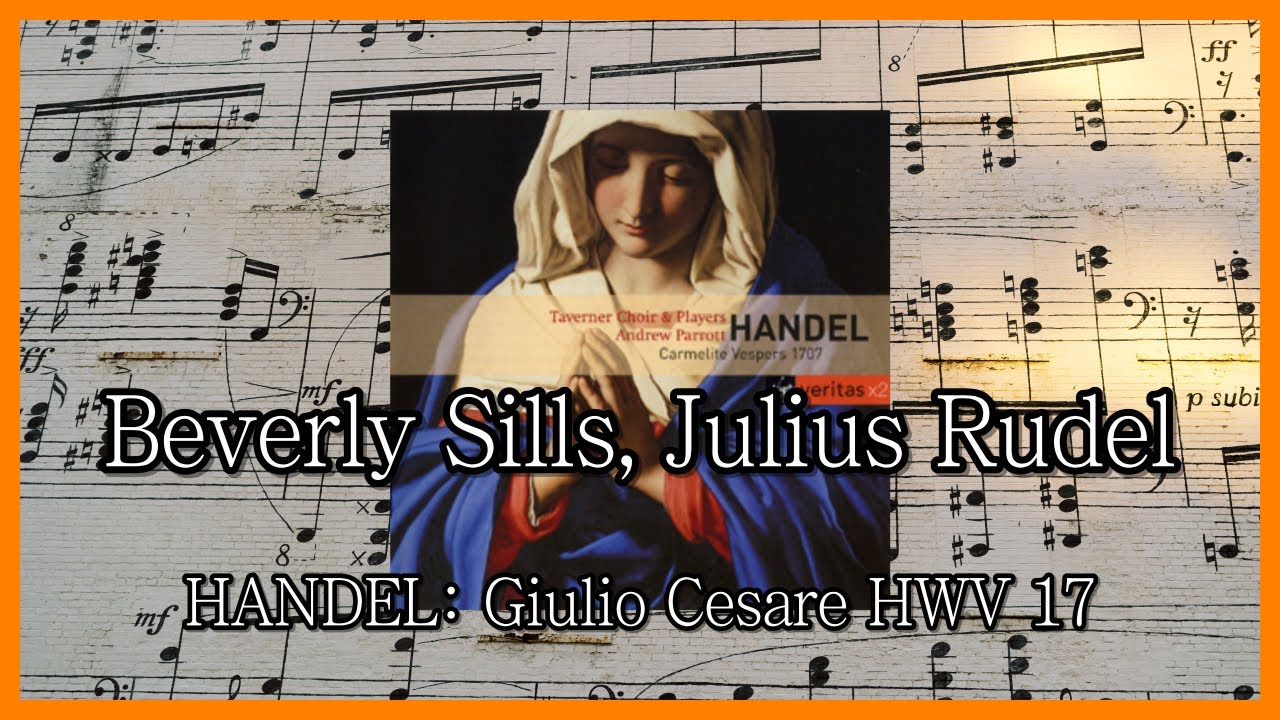
Handel: Carmelite Vespers, 1707
On this feast of Our Lady of Mt. Carmel, we hear the contribution of the young Handel.
Fr. Scott Haynes
Jul 162 min read

The Lord is my Light and my Salvation
Fr. Scott Haynes A Meditation on the Introit of the Fourth Sunday After Pentecost Julius Caesar once remarked that even the shouts of his enemies were music to his ears, but, on the other hand, he was terribly afraid of thunder. When it vaguely looked like a storm was brewing, he began to shiver and shake and crawl underneath the covers. Peter the Great, considered by many to have been the greatest czar of Russia, was terrified to cross a bridge. He would tremble in his b
Fr. Scott Haynes
Jun 213 min read

Lauda Sion: A Hymn of Eucharistic Triumph
The Lauda Sion is not just a hymn; it is a mystical ladder, lifting the soul to contemplate the depth of God's love in the Eucharist.
Fr. Scott Haynes
Jun 65 min read

Caterina Assandra: Duo seraphim
Hear Cozzolani sing this intricate music in honor of the Most Holy Trinity.
Fr. Scott Haynes
May 301 min read

Andrej Makor: O Lux Beata Trinitas
This is a beautiful motet in honor of the Holy Trinity.
Fr. Scott Haynes
May 301 min read

Edward Elgar: The Spirit of the Lord
Elgar gives us this beautiful setting from the Gospel of St. Luke and from the Prophet Isaiah as we celebrate the Feast of Pentecost.
Fr. Scott Haynes
May 231 min read

Jubilate Deo, Scarlatti
Motet for four voices (SATB) composed in Rome by italian composer Alessandro Scarlatti in 1708. Alessandro Scarlatti (born May 2, 1660, Palermo, Sicily, Kingdom of the Two Sicilies [now in Italy]—died Oct. 22, 1725, Naples) was an Italian composer of operas and religious works. Scarlatti was sent to Rome at about the age of 12; there he met Bernardo Pasquini, by whom he was greatly influenced. The first of his 115 operas, Gli equivoci nel sembiante (1679) won him the protecti
Fr. Scott Haynes
Apr 253 min read

Surrexit Christus - Pergolesi
Hear this beautiful motet for Eastertide.
Fr. Scott Haynes
Apr 151 min read

Ingrediente Domino - George Malcom
Fr. Scott Haynes Ingrediente Domino by George Malcom is conducted by Martin Baker with the Westminster Cathedral Choir. This beautiful music follows the procession of the palms and is sung as the procession enters the church to begin the Mass. On Palm Sunday the Church sings Ingrediente Domino as Christ, mystically present in the sacred rites, comes once more to His holy city. The chant places before us the scene of the Gospel with remarkable vividness: “As the Lord entered
Fr. Scott Haynes
Mar 274 min read

Antonio Vivaldi - Stabat Mater, RV 621
The Stabat Mater is the hymn of Our Lady of Sorrows. It is frequently sung in the Stations of the Cross.
Fr. Scott Haynes
Mar 271 min read

Pergolesi - Stabat Mater
Pergolesi's "Stabat Mater" is a moving hymn for the Stations of the Cross.
Fr. Scott Haynes
Mar 221 min read

Organ Improvisation on Laetare Jerusalem
Gereon Krahforst improvises on the introit "Laetare Jerusalem" at the Kilgen Organ in the Cathedral Basilica of Saint Louis in 2013.
Fr. Scott Haynes
Mar 130 min read
Laetare Jerusalem, Andrea Gabrieli
Rejoice with Jerusalem; be glad for her, all you that love this city! Rejoice with her now, all you that have mourned for her.
Fr. Scott Haynes
Mar 131 min read

Occuli Omnium, Charles Wood
The eyes of all wait upon thee, [O Lord]; and thou givest them their meat in due season.
Fr. Scott Haynes
Mar 71 min read

Timor et tremor, Francis Poulenc
Chor des Bayerischen Rundfunks, under the baton of Peter Dijkstra, present a stunning recording of a Lenten motet of Poulenc.
Fr. Scott Haynes
Mar 71 min read

Miserere, Hasse
Hasse's setting of the penitential psalm of David is moving.
Fr. Scott Haynes
Mar 40 min read


The Transfiguration & Accessory Joy
The Second Sunday of Lent presents the scene of Christ's Transfiguration. Learn from the Church Fathers theological truths of this mystery.
Fr. Scott Haynes
Feb 284 min read
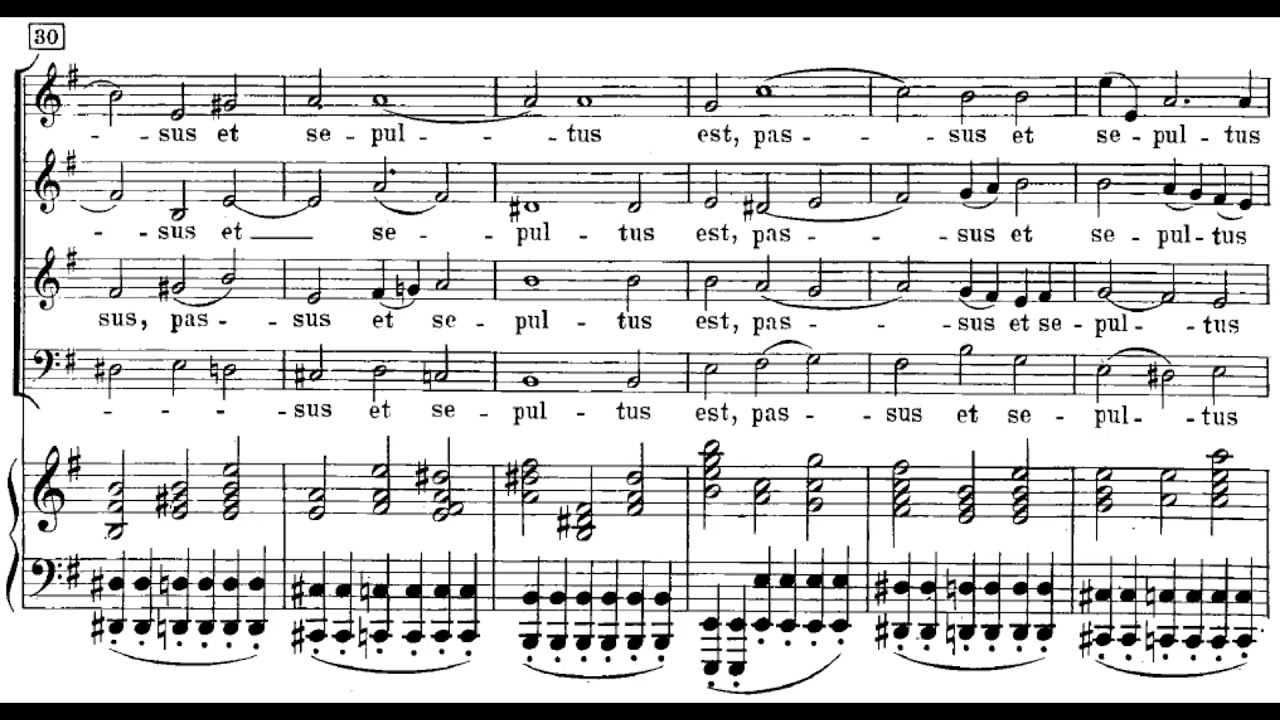
Bach: Mass in B minor - Crucifixus
The Crucifixus comes from the Credo of the Mass. Bach's setting dates to 1714.
Fr. Scott Haynes
Feb 251 min read
bottom of page