


Joy to the World — A Meditation on the King Who Comes
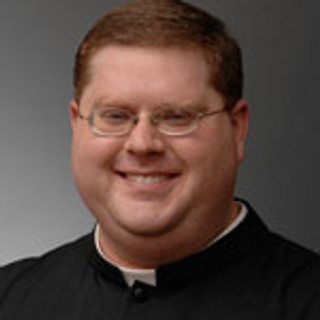
Fr. Scott Haynes
“Joy to the world, the Lord is come.”
The words burst forth like a trumpet blast. They do not whisper. They do not hesitate. They announce. This is not a private joy, tucked quietly into the corner of a single heart. This is joy meant for the world, joy that presses outward until it reaches seas and stars, fields and floods, hearts and histories.
The History: A Christmas Carol That Looks Beyond Christmas
Joy to the World was written in 1719 by Isaac Watts, often called the “Father of English Hymnody.” Watts did not set out to write a Christmas carol as we usually understand one. Instead, he was paraphrasing Psalm 98, a psalm of enthronement, celebration, and divine victory.
Unlike many carols that linger lovingly at the manger, Joy to the World lifts our gaze forward. Watts read Psalm 98 through a Christian lens and heard in it not only the joy of Christ’s birth, but the triumph of His reign and the promise of His return. That is why the carol sounds almost like a coronation hymn. The King has come, yes—but He also comes, and He will come again.
The melody most often used today was adapted later and is commonly associated with the musical style of George Frideric Handel, though Handel himself did not compose it. The result is a hymn that sounds as expansive as its message.
The Theology: Christ the King of Creation
This carol proclaims a bold theological truth: Christ is not only born; He reigns.
“Let earth receive her King.”
The Child of Bethlehem is the King of heaven and earth. Christmas is not merely sentimental. It is royal. The Incarnation is God stepping into His own creation to reclaim it from within. The wood of the manger already points toward the wood of the Cross, and the humility of the crib already conceals sovereign power.
“Let every heart prepare Him room.”
Here the hymn turns inward. Joy is not automatic. The King comes, but He must be received. The human heart, cluttered with noise, fear, and self-will, must be made ready. This is the inner work of Advent and Christmas alike: clearing space for Christ to rule, not symbolically, but truly.

The carol then widens again:
“He rules the world with truth and grace.”
This is the heart of Christian hope. Christ’s kingship is not tyranny. It is truth that frees and grace that heals. His reign restores what sin has distorted. His justice is not cold judgment, but mercy rightly ordered. He does not crush the nations; He blesses them by making His righteousness known.
The Meaning: Cosmic Joy and Redeemed Creation
One of the most striking features of Joy to the World is how often creation itself is invited to rejoice.
“Let heaven and nature sing.” “Fields and floods, rocks, hills, and plains repeat the sounding joy.”
This is biblical joy. In Scripture, creation groans under the weight of the Fall, but it also rejoices at redemption. Christ does not come to save souls alone; He comes to renew all things. The earth that trembled at Adam’s sin now sings at Christ’s victory.
The line
“No more let sins and sorrows grow, nor thorns infest the ground”
reaches all the way back to Genesis. The curse is being undone. The thorns that sprang from the Fall will one day disappear, replaced by a restored creation under the gentle rule of its true King.
A Christmas Hymn for Every Season
This is why Joy to the World endures. It belongs not only to December, but to the whole Christian life. It is sung at Christmas, but it echoes Easter and anticipates the Last Day. It reminds us that Christian joy is not fragile cheerfulness. It is rooted in a fact: the Lord has come, is coming, and will come again.
To sing this carol is to make an act of faith. We proclaim joy even when the world still aches, because we know Who reigns. We announce joy not because sorrow is absent, but because Christ is present.
When we sing Joy to the World, we are not merely celebrating a moment in history. We are declaring allegiance. We are opening the doors of our hearts. We are joining heaven and nature in their song.
The King has come.
Let us receive Him.
Let us prepare Him room.
And let the world, at last, learn heaven’s joy.
Comments