


Seek the Lord While He May Be Found
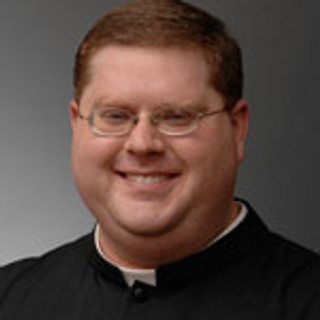
Fr. Scott Haynes

A Meditation on Isaiah 55:6–9:
“Seek ye the Lord, while he may be found: call upon him, while he is near.”
— Isaiah 55:6
There are moments when God comes very near to the soul. A word of Scripture suddenly pierces us. A sermon unsettles us. A death reminds us that our own life is passing. An old sin troubles the conscience again. We feel an unexpected desire to pray, to confess, to begin again.
We should not waste such moments.
“Seek ye the Lord, while he may be found.”
God is not hiding from us. Rather, He is warning us against the terrible habit of postponing grace. We say, Tomorrow I will pray. Later I will go to Confession. Someday I will forgive. Eventually I will change.
But grace speaks in the present tense.
Isaiah continues:
“Let the wicked forsake his way, and the unjust man his thoughts, and let him return to the Lord, and he will have mercy on him, and to our God: for he is bountiful to forgive.”
Notice what God asks us to abandon: not only sinful ways, but sinful thoughts. Conversion reaches deeper than outward behavior. A person may appear respectable while secretly nourishing resentment, envy, pride, impurity, bitterness, or contempt. God desires the hidden rooms of the heart as well as the actions others can see.
Yet the emphasis of the passage is not upon the greatness of our sins. It is upon the greatness of His mercy.
“He is bountiful to forgive.”
We often imagine forgiveness according to our own measure. We forgive reluctantly. We remember injuries. We calculate how many chances another person deserves. Then we unconsciously imagine that God must deal with us in the same way.
But God immediately corrects us:
“For my thoughts are not your thoughts: nor your ways my ways, saith the Lord. For as the heavens are exalted above the earth, so are my ways exalted above your ways, and my thoughts above your thoughts.”
We often quote these words when we cannot understand why God has permitted some suffering. That is certainly appropriate. But in their context, these words also reveal something magnificent about the incomprehensibility of divine mercy.
God does not forgive as we forgive. His mercy towers above ours as heaven towers above earth.
Perhaps we look at our past and think, I have failed too many times. God says, My thoughts are not your thoughts. We think, After everything I have done, surely God must be tired of me. God answers,
“My ways are not your ways.”
We think, I will return to God when I have made myself worthy. But God says,
“Return to Me, and I will have mercy on you.”
The prodigal son thought he understood what awaited him at home. He prepared his speech and expected to live as a servant. But the father had something entirely different in mind: an embrace, the finest garment, a ring, shoes, and a feast.
The son had calculated according to human justice. The father was thinking according to love. That is Isaiah's message. Stop measuring God's heart with the small ruler of your own.
If your conscience is stirring today, seek Him today. If there is a sin to confess, confess it. If someone must be forgiven, forgive. If prayer has been neglected, begin again. If God has been standing at the edge of your life while a thousand lesser things have occupied the center, invite Him back to the center. Do not wait until you feel worthy.
Come because He is merciful.
Come because He is near.
Come because “he is bountiful to forgive.”
And when you cannot understand how God could still want you after all your failures, look upward. Consider the immeasurable distance between earth and heaven.
Then remember His words:
“As the heavens are exalted above the earth, so are my ways exalted above your ways, and my thoughts above your thoughts.”
Thank God that His thoughts are not ours.


Comments