


Faithfulness Before Fruitfulness
Fr. Scott Haynes

A Meditation on Isaiah 49:3, 5–6
“And he said to me: Thou art my servant Israel, for in thee will I glory... I have laboured in vain… therefore my judgment is with the Lord... I have given thee to be the light of the Gentiles.”
Isaiah allows us to hear the voice of the Servant from within the mystery of his vocation. Before the Servant does anything, before he produces fruit or sees success, God speaks a word of identity: “Thou art my servant… in thee will I glory.” God’s glory rests not first upon achievements, but upon fidelity. The Servant belongs to Him, and that belonging is already pleasing in His sight.
Yet the passage is strikingly honest. The Servant admits exhaustion and discouragement. “I have laboured in vain.” These words give voice to a spiritual experience known to every faithful soul. Prayer offered without consolation. Sacrifice made without recognition. Service given with no visible return. Scripture does not hide this reality. It sanctifies it.
At this moment of apparent failure, the Servant makes a decisive act of trust: “My judgment is with the Lord, and my reward with my God.” He relinquishes the human measurement of success and entrusts himself entirely to God’s gaze. The worth of his life will not be determined by outcomes, but by obedience.
This is the same truth expressed centuries later by Mother Teresa, who reminded the world that God does not ask us to be successful, but faithful. Her words echo Isaiah’s Servant. Results belong to God. Fidelity belongs to the servant. When the soul accepts this, it is freed from discouragement and purified of self-seeking.
Only after this surrender does God reveal the true scope of the mission. To restore Israel alone would be “a small thing.” The Servant is destined to become a light to the nations, carrying salvation to the ends of the earth. What seemed fruitless was never wasted. What appeared small was already part of a design far greater than the Servant could see.
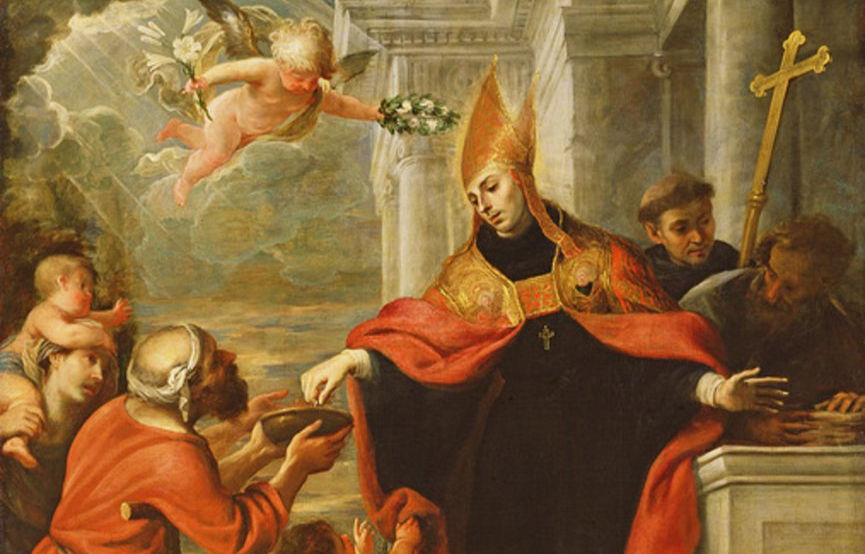
This pattern is lived vividly in the life of John Vianney. For years, his ministry appeared ineffective. His parish remained indifferent. His efforts seemed lost. Yet he judged his work with the Lord. He remained faithful in obscurity. In time, God revealed that his quiet obedience would illuminate souls far beyond his village, making him a light for the whole Church.
Isaiah 49 teaches us that God forms His servants in hiddenness and matures them through apparent failure. He delays visible fruit so that the heart may learn trust. Fidelity comes first. Illumination follows.
To pray this passage is to place our own labors into God’s hands and to believe that faithfulness, even when unseen, already glorifies Him.


Comments