


Until the Harvest
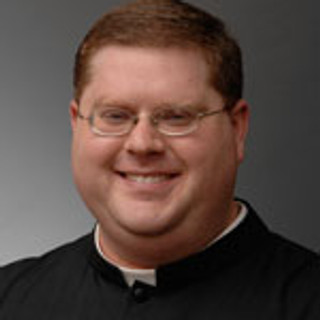
Fr. Scott Haynes

A meditation on Matthew 13:24–30
“Lord, didst thou not sow good seed in thy field? whence then hath it cockle?” (Matt. 13:27).
There is a particular sorrow in that question. Anyone who has taught a child to pray and lived to hear him mock the faith knows something of it. So does the priest who finds a quarrel taking root among the very people who kneel beside one another at his altar rail. The servants remember the good seed their master sowed, and it grieves them to see what else has come up. They ask his leave to go into the field and set things right.
Saint John Chrysostom sees something generous in their haste. What moves the servants, he says, is their concern for “the preservation of the seed sown.”¹ They love what their master loves. Yet the master sees something they have overlooked. A servant can close his hand around precisely the weed he means to pull and still bring up a tender stalk of wheat with it.
“Lest perhaps gathering up the cockle, you root up the wheat also together with it” (Matt. 13:29).
Before we speak a word of correction, we might pause over the wheat our Lord wishes to preserve. A son who has begun to tell his father the truth can be frightened back into secrecy by the very first words he hears in reply. It takes patience to hear him through, and sometimes considerable courage to speak gently afterward. newadvent.org
Saint Augustine asks us to consider what may yet become of the person who troubles us. Preaching on this Gospel, he tells his congregation that “they who today are tares, may tomorrow be wheat.”² Think of Saul of Tarsus. When the disciples in Damascus heard that Saul was coming, they had good reason to fear for their lives. Yet the day came when Ananias entered the house where Saul was praying, laid his hands upon him, and called him “Brother Saul” (Acts 9:17). Consider what it cost Ananias to speak that first word, and what it must have meant to Saul to hear it. We may have every reason to remember the harm someone has done. Can we still ask God to grant us the joy of one day calling that person brother? newadvent.org
Augustine brings the question home by turning toward the very seat from which he preaches. Does anyone imagine, he asks, that all the weeds are down among the congregation and none have found their way up into the preacher’s chair?³ A bishop examining his own conscience gives us a good place to begin examining ours. Perhaps I have spent years praying for someone to return to the sacraments, yet each time his name comes up at supper I tell the old story of his worst mistake. Who would guess, from hearing me speak of him, that I long for his return? One act of charity lies within reach this very evening. I can let that story go untold and carry his name into my prayers. newadvent.org
The Lord says, “ Suffer both to grow until the harvest” (Matt. 13:30).
How grateful we ought to be for that word until. Each of us can remember something we are glad the Lord gave us time to confess, some kindness we learned late, some forgiveness we withheld for years before grace brought us to our knees. When another person tries our patience today, let us remember one such mercy in particular. It is easier to wait beside a field where little good seems to be growing when we remember how long the Lord waited for the first fruit in us.
Lord Jesus, Thou knowest how often I have needed the patience I find so hard to give. When I must correct someone, help me speak words he can bear to hear. When an old injury comes to mind, teach me to pray by name for the one who caused it. And while there is still time before the harvest, bring me to repentance for the sins that others have patiently borne in me. Amen.
Notes
John Chrysostom, “Homily 46 on Matthew,” in Nicene and Post-Nicene Fathers, 1st ser., vol. 10, ed. Philip Schaff, trans. George Prevost (Buffalo, NY: Christian Literature Publishing Co., 1888). Read the homily at New Advent.
Augustine, “Sermon 23 on the New Testament,” sec. 3, in Nicene and Post-Nicene Fathers, 1st ser., vol. 6, ed. Philip Schaff, trans. R. G. MacMullen (Buffalo, NY: Christian Literature Publishing Co., 1888). Read the sermon at New Advent.
Augustine, “Sermon 23,” sec. 4. Read Augustine’s words to his congregation.
Priestly Press


Comments