


The Veil, the Stones, and the Altar
Updated: Mar 27
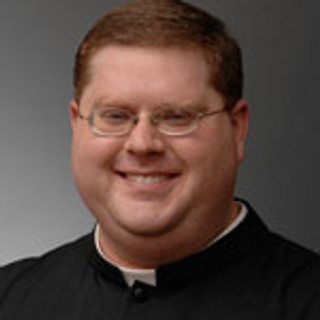
Fr. Scott Haynes

On Passion Sunday, the crucifix, statues, and sacred images, except for the Stations of the Cross, are veiled in purple. They remain covered until the Gloria of the Easter Vigil on Holy Saturday. This solemn custom of Passiontide is closely linked to today’s Gospel from the eighth chapter of St. John.
In that Gospel, the enemies of Christ take up stones to cast at Him. Their anger has hardened into violence. Yet Jesus, in quiet majesty, passes through their midst and hides Himself. The Church veils her sacred images to recall this mystery. Our Lord withdraws from sight, and His glory is hidden from those who refuse to believe. So too in the days of His Passion, the splendor of His divinity seemed veiled beneath suffering, humiliation, and rejection.
This custom also reaches far back into Christian history. As early as the ninth century, a great cloth was sometimes hung before the altar during Lent. In German-speaking lands it came to be called the Hungertuch, or “hunger cloth.” It concealed the altar from the eyes of the faithful and became a kind of fasting, not only of the body, but even of sight. Then in Holy Week, when the Passion was read and the words were heard, “the veil of the temple was rent in two,” the covering was drawn aside, and the people once again beheld the altar of God.
How fitting this is for Lent. During this season, the Church becomes more restrained in her worship. The Alleluia falls silent. The Gloria in excelsis is no longer heard. Even Psalm 42, prayed at the foot of the altar, is set aside until the Easter liturgy. In a real sense, the Church fasts not only from food and outward pleasures, but also from those joyful expressions in the liturgy that belong most fully to Easter.
There is also a beautiful fitness in the Church’s setting aside of Psalm 42 during Passiontide. The words Introibo ad altare Dei — “I will go in to the altar of God” — express the joy of drawing near to the divine mysteries. In the ancient Easter liturgy, the newly baptized, having passed through the waters of regeneration, were at last admitted to the Eucharistic banquet. The words of Psalm 42 wonderfully echo the joy of the neophyte approaching the altar for the first time. Then, when the Lord rises in triumph, the Church’s praise breaks forth again with greater fullness and joy: Alleluia and Gloria in excelsis Deo.
Now the hour of the Passion draws near, and the shadow of Calvary lengthens over the liturgy. Holy Mother Church, tender and sorrowful, veils the image of her Lord. Even the saints are covered, because when the Master hides Himself, His servants hide with Him. Their glory is only a reflection of His.
But the liturgy is not only teaching us about the past. It is speaking to our souls now. St. Bede says that when we sin, we take up stones like the men in today’s Gospel. We lift our hand against Christ. By sin, we drive Him from the temple of our soul, just as they tried to drive Him from the temple in Jerusalem.
So today let us put down our stones. Let us cast away our sins, our bitterness, our pride, our impurity, and our coldness of heart. Let us hear the word of God with humility, and prepare to receive the Word made Flesh in the Holy Eucharist by making a sincere and worthy confession. Evil thoughts may come to us, and temptations may rise within us, but by the grace of God we do not have to consent to them. We do not have to join those who raise their hands against the Lord.
You are a temple of the Holy Ghost. Do not cast Jesus out of His sanctuary.
May the veil over the eyes of your soul be torn away by the hand of God. May He rend it from top to bottom, so that you may behold with living faith your crucified and risen Savior. For the Lord who once hid Himself now comes to you in mercy. Hidden beneath the sacramental veil, silent and humble, He is here before you now in the Most Blessed Sacrament of the Altar.
Lenten Books from Priestly Press


Comments