


Martyrs of Christmas
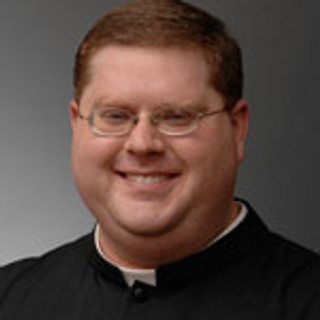
Fr. Scott Haynes

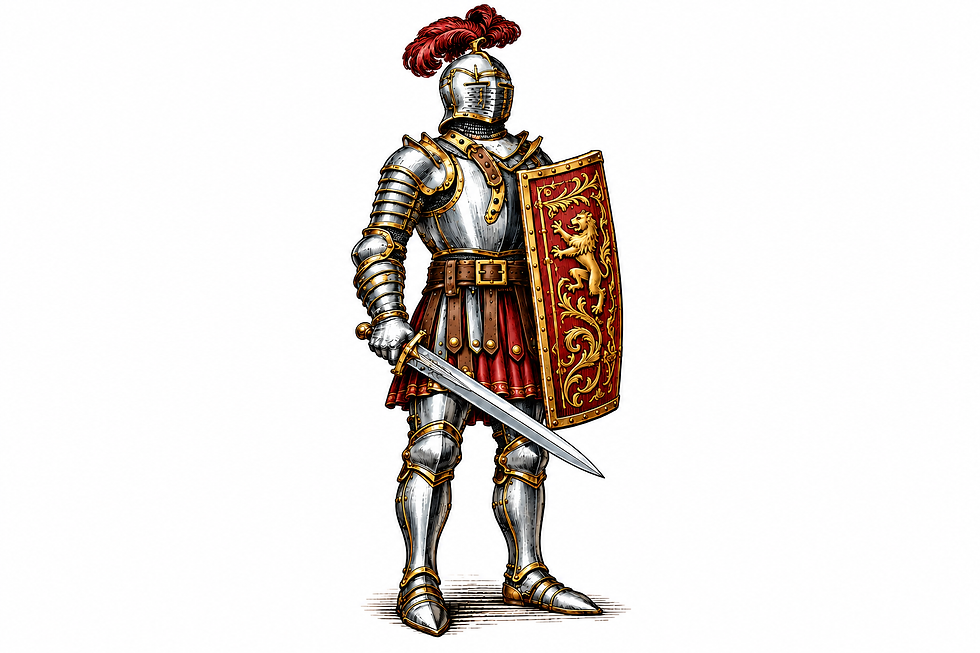
On the day of Christ’s Nativity, we celebrate the birth in time of our eternal King. On December 26, the Church turns her gaze to the victorious suffering of His soldier, Saint Stephen the Deacon. Yesterday the King, clothed in the garment of our flesh, came forth from the Virgin’s womb and graciously visited the world. Today His soldier lays aside the tabernacle of his body and passes in triumph to heaven.
On this second day of Christmas, we honor Stephen, “a man full of faith and of the Holy Ghost.” Chosen by the Apostles and ordained with the laying on of hands, he was filled with grace and fortitude, working great wonders and signs among the people. Many were converted by his preaching, but others hardened their hearts and resolved to kill him for proclaiming Christ.
Stephen is rightly called the protomartyr of the Church, the first to seal his witness with blood. The Jews stoned him to death, and among them stood Saul, who would one day become the Apostle Paul. Saint Fulgentius of Ruspe offers a luminous meditation on this mystery of grace:
“Strengthened by the power of his love, Stephen overcame the raging cruelty of Saul and won his persecutor on earth as his companion in heaven. In his holy and tireless love he longed to gain by prayer those whom he could not convert by admonition.”
At last, Paul rejoices with Stephen. With Stephen he delights in the glory of Christ, with Stephen he exults and reigns. Stephen went first, struck down by the stones hurled by Paul; Paul followed after, aided by the prayer of Stephen. What a triumph of divine charity. Paul feels no shame before Stephen’s death, and Stephen rejoices in Paul’s companionship, for love fills them both with joy. Love conquered the fury of the mob in Stephen, and love covered the multitude of sins in Paul. Love won for both the kingdom of heaven.
The saintly feasts following Christmas commemorate three distinct forms of martyrdom, and their order helps us remember them.
The Feast of Stephen on December 26 and the Feast of St. Thomas Becket on December 29 recall the highest form of martyrdom: that of both will and deed, martyrdom by love and by blood.
The Feast of St. John the Evangelist on December 27 recalls a second form, often called “dry martyrdom,” endured by confessors of the faith. These are those who suffered for Christ and were ready to die for Him, yet bore their witness through prolonged trials rather than death itself. St. John was a martyr by will and by love.
The Feast of the Holy Innocents on December 28 recalls martyrdom in deed without personal consent, since they were too young to form such a desire. They were martyrs by blood alone, yet God supplied what was lacking in their will by His gracious acceptance of their sacrifice.
Historically, the Church once observed these feasts with particular intentions. The Feast of Stephen honored all deacons, the Feast of St. John all priests, and the Feast of the Holy Innocents all choirboys and students.
The love that brought Christ down from heaven to earth lifted Stephen from earth to heaven. That love shone first in the King and then radiated in His soldier. Stephen’s love for God kept him steadfast before a furious mob. His love for his neighbor moved him to pray for those who were stoning him, pleading that they be spared punishment.
Love is indeed the source of every good. It is an impregnable defense and the sure path that leads to heaven. Whoever walks in love neither wanders nor fears. Love guides, protects, and brings the pilgrim safely home.
My brothers, Christ Himself has made love the stairway by which all Christians ascend to heaven. Hold fast to it with sincerity. Give one another tangible proof of it, and by growing in love together, make your ascent together.


Comments